


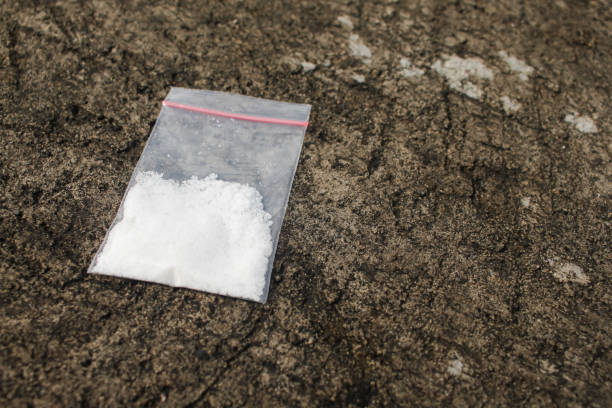
Fishscale cocaine is a street term used to describe a form of cocaine that may have a shiny, flaky, or crystalline appearance. The name comes from the visual resemblance some samples have to fish scales. Although the term is often associated with claims about high purity, appearance alone cannot reliably establish a substance’s chemical composition, strength, or safety. Review the financial and privacy risks that can accompany websites appearing in buy cocaine searches.
Cocaine is a powerful stimulant that affects the central nervous system and can cause serious physical and psychological complications. Understanding the meaning of fishscale cocaine, examining common claims about it, and recognizing the dangers of unregulated drug supplies are important steps toward informed health awareness. Discover why counterfeit substances are a concern when researching buy cocaine online.
What Is Fishscale Cocaine
Fishscale cocaine is an informal term used in illicit drug markets, rather than a standardized scientific classification. It generally refers to cocaine described as having a reflective, flaky, or crystalline appearance.
The term is sometimes used in discussions of cocaine purity. However, there is no reliable way to determine the actual purity or potency of a substance simply by looking at it.
Different samples can have similar appearances while containing different concentrations of cocaine, other substances, or contaminants. As a result, the name should not be treated as proof of quality or authenticity. Understand the importance of medical awareness when researching buy peruvian pink cocaine.
Why Is It Called Fishscale Cocaine
The name comes from the visual resemblance between certain powder fragments and the reflective scales of a fish. Some samples may appear shiny or have a slightly crystalline texture under particular lighting conditions.
These visual characteristics can lead to assumptions about a substance’s composition. However, the appearance of an illicit powder can be influenced by several factors, including its physical structure, processing, storage, and the presence of other materials.
A shiny or flaky appearance does not establish that a substance is pure cocaine. Likewise, a powder that looks less reflective cannot automatically be considered weaker or more contaminated.
Common Claims About Fishscale Cocaine
Several claims circulate about fishscale cocaine, particularly regarding its purity and strength. Understanding the limitations of these claims is important for avoiding misleading conclusions. Understand the addiction risks associated with cocaine discussed under the term yellow cocaine.
Claim One That It Is Always Highly Pure
Fishscale cocaine is frequently associated with claims of high purity. However, the street name is not a regulated quality designation, and it does not guarantee a particular concentration of cocaine.
Illicit substances are not consistently manufactured or tested under regulated quality-control standards. Their composition can vary significantly, even when products are sold under the same name.
Claim Two That Appearance Reveals Quality
Another common assumption is that a shiny or crystalline appearance indicates a superior product. In reality, visual appearance cannot reliably establish chemical identity, purity, or potency.
A substance may look uniform while containing unexpected ingredients. Conversely, visible differences do not necessarily indicate meaningful differences in chemical composition.
Claim Three That Its Effects Are Predictable
Some descriptions suggest that a particular type of cocaine produces a consistent experience. This is misleading because individual responses depend on multiple factors, including the substance’s actual composition, the amount of exposure, personal health, and the presence of other drugs. Discover the potential dependence and addiction concerns associated with amphetamines discussed in buy amphetamine online searches.
Unknown contaminants can make these effects even more difficult to predict.
How Cocaine Affects the Body
Cocaine is a central nervous system stimulant that interferes with the normal reuptake of neurotransmitters, including dopamine. This can temporarily increase alertness, energy, and feelings of euphoria.
However, these effects are accompanied by physiological changes that can be dangerous. Discover the dangers of unknown ingredients in substances marketed as fishscale cocaine.
Potential short-term effects include:
- Increased heart rate and blood pressure
- Reduced appetite
- Restlessness and agitation
- Anxiety or irritability
- Dilated pupils
- Difficulty sleeping
- Increased body temperature
The severity of these effects varies between individuals. Serious complications can occur even when someone has no known history of cardiovascular disease.
Potential Cardiovascular Dangers
One of the most significant risks associated with cocaine is its impact on the cardiovascular system. Cocaine can constrict blood vessels and increase the workload of the heart.
These effects may contribute to dangerous heart rhythm disturbances, heart attacks, and strokes. The risk can be affected by underlying health conditions, other substances, and the amount of exposure. Understand the broader environmental and social issues connected to illicit cocaine production when researching buy peruvian cocaine.
The term fishscale does not indicate that a substance is safer than other forms of cocaine. Any cocaine exposure can carry serious cardiovascular risks.
Psychological and Neurological Effects
Cocaine can also affect mental health and neurological functioning. Some people experience anxiety, panic, agitation, paranoia, or confusion.
Repeated use may contribute to sleep disturbances, mood changes, and difficulties with concentration or everyday responsibilities. In more severe cases, cocaine exposure can be associated with seizures and other neurological emergencies. Discover the warning signs of a medical emergency following exposure to cocaine powder.
Unknown ingredients can introduce additional effects, making it difficult to predict how an individual will respond to a particular sample.
Addiction and Long-Term Health Concerns
Cocaine has a significant potential for addiction because of its effects on the brain’s reward system. Repeated exposure can reinforce continued use and contribute to cravings or difficulty controlling consumption.
Long-term concerns may include cardiovascular problems, psychological distress, sleep disruption, and damage to personal relationships or financial stability.
Some individuals may continue using cocaine despite experiencing negative consequences. This can be a sign that professional support is needed.
Addiction is a treatable health condition. Healthcare professionals and addiction specialists can help individuals understand their options and access appropriate support.
The Risks of Unknown Ingredients
Illicit cocaine supplies may contain cutting agents, contaminants, or other psychoactive substances. These ingredients can alter the effects of a sample and introduce additional health risks.
A product’s name, texture, packaging, or seller description cannot reliably establish what it contains. Even a sample that appears consistent with a particular street description may have an unexpected chemical composition.
Laboratory analysis can help identify substances, but identifying the ingredients does not make an illicit drug safe to use.
This uncertainty is a major concern whenever a substance comes from an unregulated source.
Recognizing a Medical Emergency
Cocaine can cause life-threatening complications. Warning signs include severe chest pain, difficulty breathing, seizures, loss of consciousness, extreme confusion, and dangerously elevated body temperature.
If these symptoms occur after suspected cocaine exposure, contact local emergency services immediately. Do not leave an unconscious person alone or give food, drinks, or other substances to someone who cannot swallow safely.
Inform medical professionals about the suspected exposure and any other substances that may have been involved. Accurate information can help them assess the situation and provide appropriate treatment. Discover why unknown contaminants are a concern when researching lavada cocaine.
Finding Help for Cocaine Use
Anyone concerned about their cocaine use can speak with a doctor, addiction specialist, mental health professional, or local substance-use treatment service.
Treatment may involve counseling, behavioral therapies, peer-support programs, and assistance with related mental health concerns. A qualified professional can help determine which options are appropriate for an individual’s circumstances.
Support should be offered without judgment or stigma. Early assistance can help reduce the risk of further physical, psychological, and social harm.
Conclusion
Fishscale cocaine is an informal street term associated with a shiny or flaky appearance, often accompanied by claims about purity. However, neither the name nor the appearance provides reliable evidence of a substance’s chemical composition, strength, or safety. Discover the warning signs of a medical emergency related to crack cocaine discussed in buy crack cocaine online searches.
Cocaine can cause serious cardiovascular and neurological complications, psychological distress, and addiction. The unpredictable nature of unregulated drug supplies adds further uncertainty and risk.
Understanding the limitations of common claims about fishscale cocaine can help readers distinguish appearance-based assumptions from reliable health information. Recognizing potential dangers and seeking professional assistance when needed are important steps toward reducing substance-related harm.
